
Wednesday, April 30, 2014

Observations
Date: 4/26/14
Location: PV Service Road
Time: 9:00 PM- 10:00 PM
Identified the ecliptic
Planets: Jupiter (in Gemini), Mars (14 arc seconds), Saturn
Constellations: Orion, Gemini, Leo, Leo Minor, Virgo, Canis Major, Canis Minor, Carina, Coma Bernices, Corvus
Telescope (small): Castor's Double Star
Telescope (large): M104 (Sombrero Galaxy), Gamma Leonis, M58 (Virgo)
Location: PV Service Road
Time: 9:00 PM- 10:00 PM
Identified the ecliptic
Planets: Jupiter (in Gemini), Mars (14 arc seconds), Saturn
Constellations: Orion, Gemini, Leo, Leo Minor, Virgo, Canis Major, Canis Minor, Carina, Coma Bernices, Corvus
Telescope (small): Castor's Double Star
Telescope (large): M104 (Sombrero Galaxy), Gamma Leonis, M58 (Virgo)
Citizen Science
So far I have looked for planets near stars and classified galaxies. To find planets, you have to examine how the brightness of stars changes over time. You are presented with a graph of the star's brightness and any drastic variations of the brightness indicate a planet nearby. I did this on planethunters.org.
For the galaxy classification, galaxyzoo.org presents you with images of various galaxies and you are asked to identify the shape, the roundness and any features such as spiral arms, rings, merging of galaxies, dust lanes or irregular shapes.
For the galaxy classification, galaxyzoo.org presents you with images of various galaxies and you are asked to identify the shape, the roundness and any features such as spiral arms, rings, merging of galaxies, dust lanes or irregular shapes.
Jocelyn Bell Burnell Sources
"Susan Jocelyn Bell Burnell." 2014. The Biography.com website. Apr 30 2014http://www.biography.com/people/jocelyn-bell-burnell-9206018.
"Jocelyn Bell Burnell." Jocelyn Bell Burnell. N.p., n.d. Web. 30 Apr. 2014.
http://www.srcf.ucam.org/~srw38/walks/tour/atoz/scientistdatabase.php?ppleid=4
http://www.biography.com/people/jocelyn-bell-burnell-9206018#synopsis&awesm=~oCVIMZCPeFzQbk
Friday, April 25, 2014
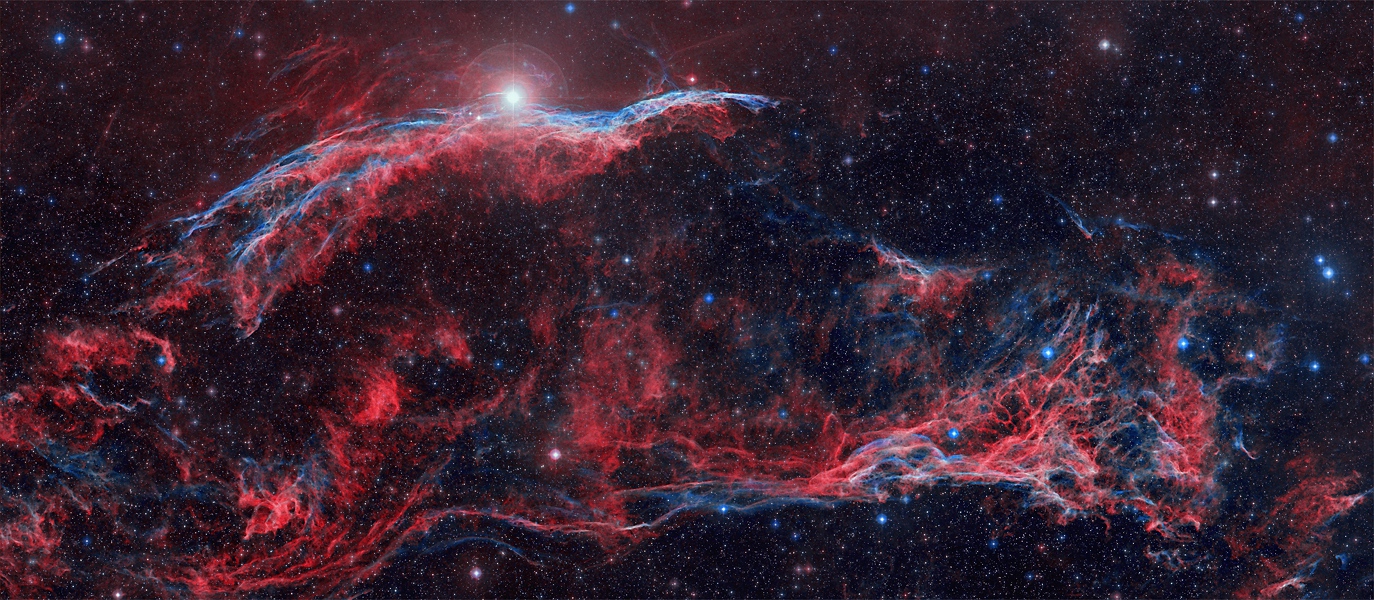
APOD 4.4
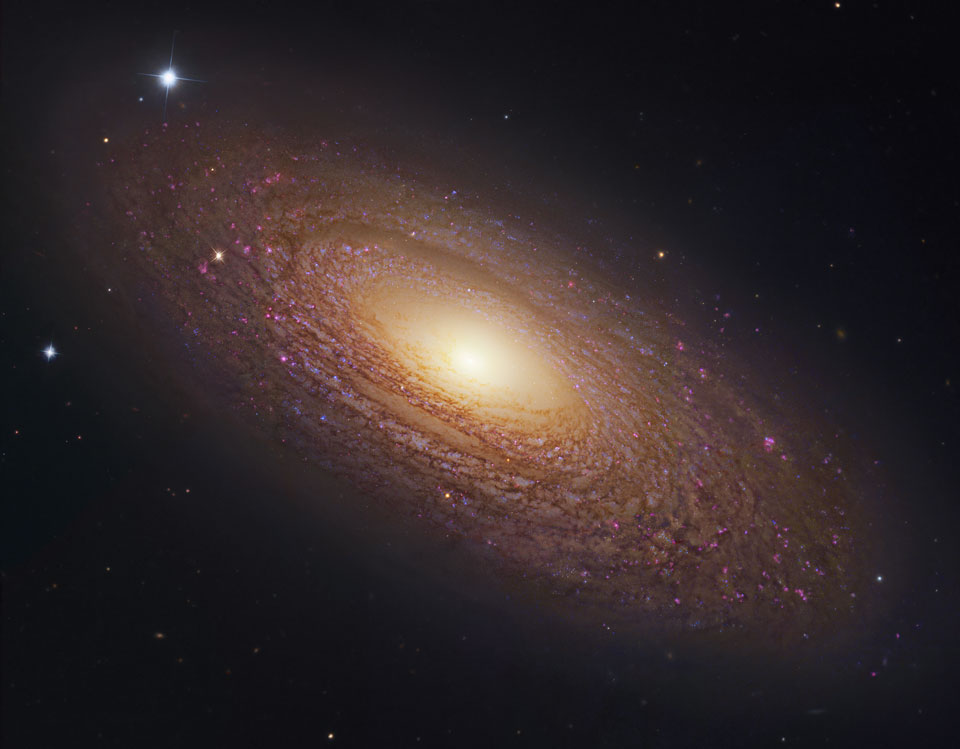
APOD 4.1
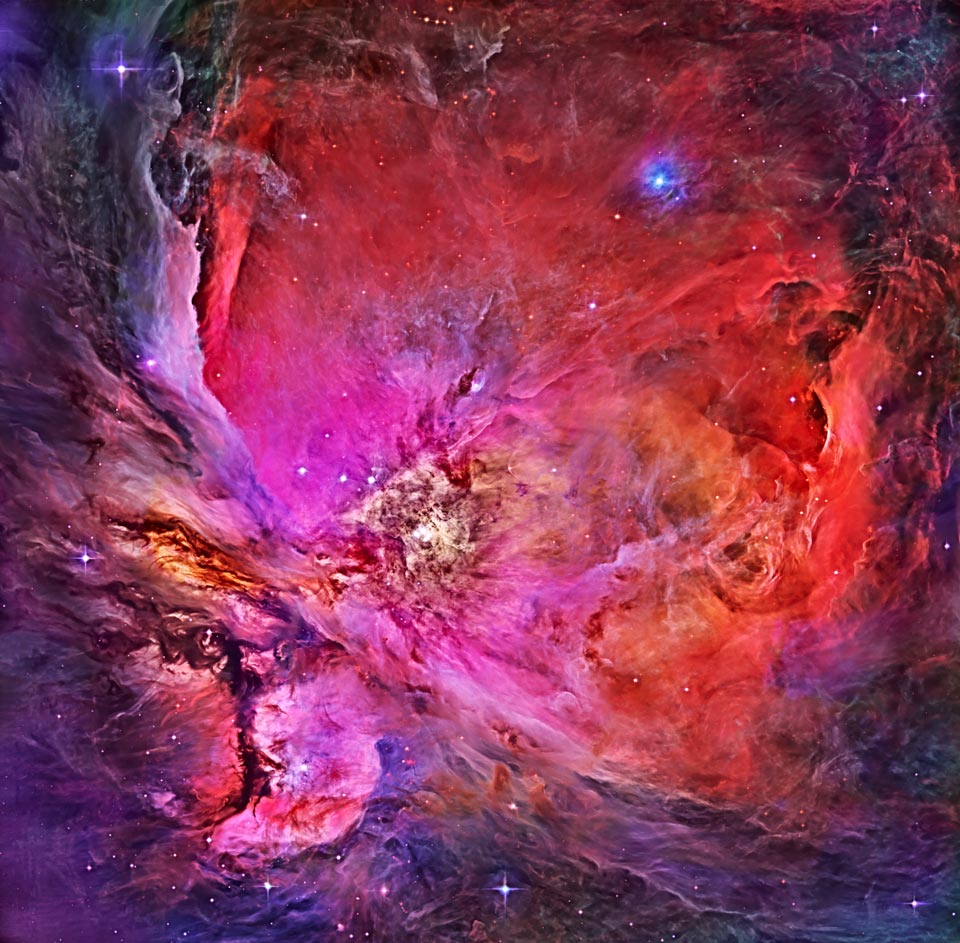
APOD 4.5
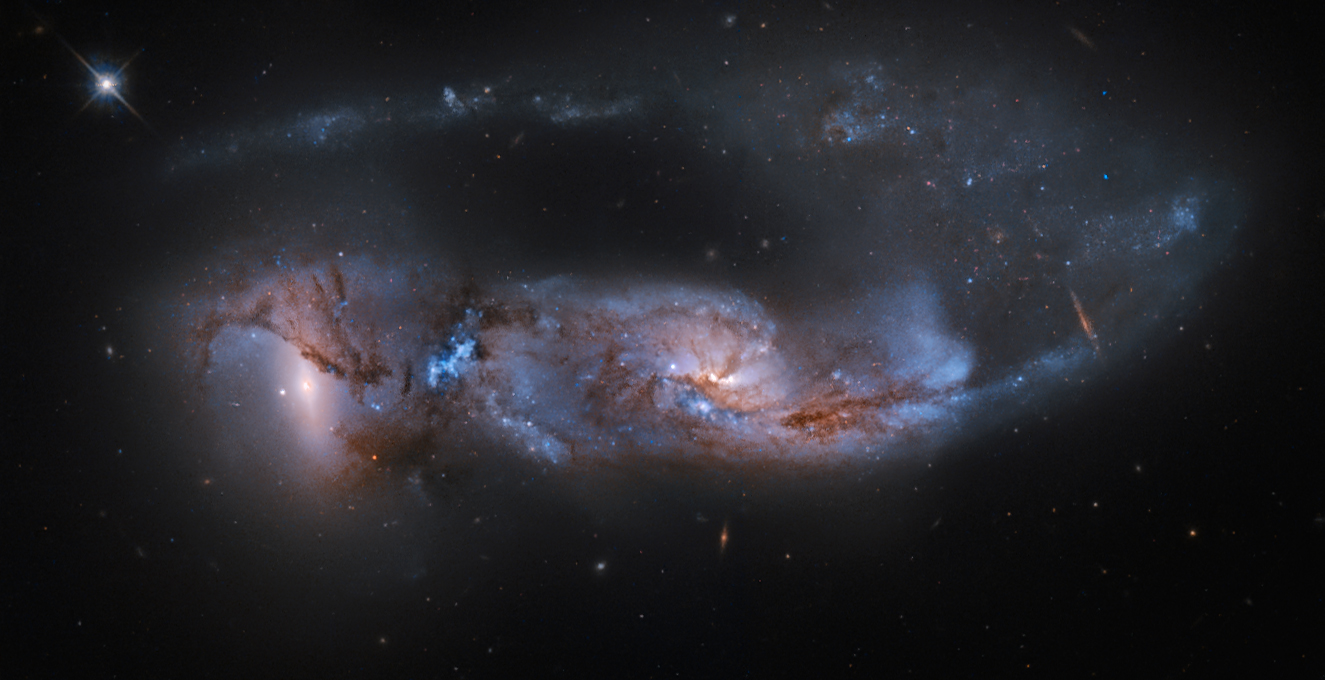
Friday, April 11, 2014
APOD 4.3
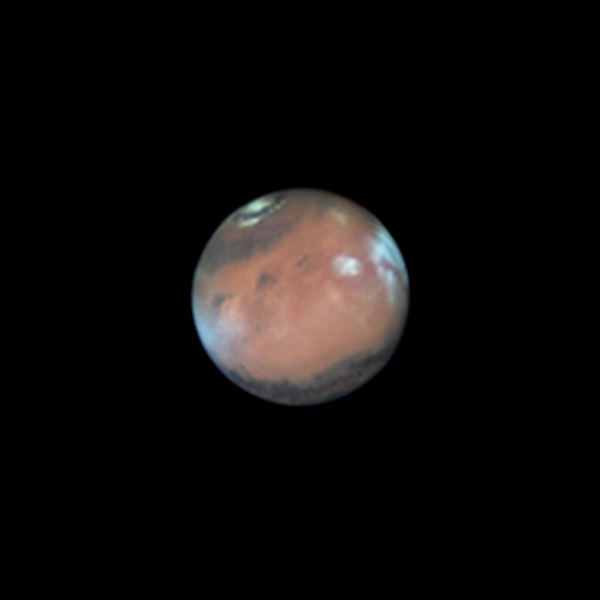
Pictured above is Mars near opposition. This occurs between April 8 and 14. The planet is opposite the sun near this time, which makes it the brightest to us on Earth and through telescopes. The exact dates of closest approach and opposition are different because orbits are elliptical, not circular. Mr. Percival is really excited about this. That's why I chose this picture.
Tuesday, April 8, 2014
Contributions to the Nature and Structure of the Milky Way
Galileo -Determined that various stars were also at various distances from the Earth. This disproved the theory that the Universe was similar to a glass bowl. The stars are sporadically placed, and not evenly. Galileo proved this observationally.
Harlow Shapley - estimated the size of the Milky Way using RR Lyrids. Also found the Sun's position. Partook in the Great Debate and proposed that the Milky Way was the entire universe with other spiral galaxies contained inside.
Edwin Hubble -observed Cepheid variable stars and calculated their distance using the research done by Henrietta Leavitt. He concluded that they were too far away from the Earth to be in the Milky Way. He classified galaxies and thought that there was some level of progression between types, for example, that ellipticals eventually became spirals.
Immanuel Kant-published "The Universal Natural History and Theory of the Heavens" which included two theories. The first is the "Nebular Hypothesis" which covers star and planet formation, and theorizes that it happens when gas and dust clouds spin and collapse due to gravity, forming larger, denser objects (planets,etc). His second theory distinguished nebulae from galaxies, and suggested that galaxies other than the Milky Way were in existence.
Henrietta Leavitt-confirmed in 1912 that the variable stars of greater intrinsic luminostiy (Cepheid Variables) had longer periods. This became known as the "Period-Luminosity relationship" which became a vital tool used to measure distances in the universe. Her research allowed Edwin Hubble to find Cepheids in other galaxies, which radically altered our view of the universe in it's entirety.
Heber Curtis- is famous for his role in "The Great Debate" with Harlow Shapley. He argued that spiral nebulae were actually spiral galaxies outside of our own.
Friday, April 4, 2014
APOD 4.2
Subscribe to:
Posts (Atom)